Top-Rated Stress Relief Bath Products to Calm Your Mind and Body
When seeking nervous system downregulation, the most effective bath products target specific types of stress. Magnesium flakes are highly recommended for physical muscle tension, while colloidal oatmeal and gentle PHAs soothe stress-induced skin irritation. For mental burnout, low-stimulation aromatherapy using diluted lavender or rose essential oils consistently supports a shift from a "fight or flight" state into deep relaxation.
In a culture that constantly demands our attention, the simple act of taking a bath has evolved from a basic hygiene routine into a critical tool for mental and physical recovery. However, filling a tub with hot water and random soap is rarely enough to combat chronic burnout. To truly downregulate an overactive nervous system, you need to understand the science behind what you are putting into your water.
The market is flooded with brightly colored bath bombs, heavily perfumed bubble baths, and mineral salts making grand medical claims. Navigating this space requires distinguishing between products that genuinely support physiological relaxation and those that merely offer a temporary, sometimes overwhelming, sensory distraction. This comprehensive guide explores the top-rated stress relief bath products, categorizing them by how they interact with your body's stress response, and provides actionable advice on how to optimize your soaking ritual.
How Bathing Actually Changes Your Nervous System
Before evaluating specific products, it is essential to understand why bathing is a highly effective modality for stress reduction. The benefits extend far beyond the placebo effect; they are rooted in human physiology and the autonomic nervous system.
When you submerge your body in warm water, you initiate what Harvard physician Dr. Herbert Benson famously termed the "Relaxation Response." This physiological shift moves the body out of the sympathetic state (commonly known as "fight or flight") and into the parasympathetic state ("rest and digest"). According to research highlighted by the Women's Health Network, this transition is characterized by several measurable changes:
- Vasodilation: Warm water causes blood vessels to expand, improving circulation and lowering blood pressure.
- Muscle Relaxation: The buoyancy of the water relieves gravitational pressure on joints and muscles, allowing for physical decompression.
- Respiratory Slowing: The combination of warmth and reduced external stimuli naturally slows the breathing rate, which signals safety to the brain.
To maximize these benefits, the environment and the additives used in the water must work in harmony to signal safety to the brain. Introducing the right minerals and botanical compounds can significantly amplify this natural physiological response.
Why Magnesium Stands Out for Physical Stress
When stress manifests physically—as tight shoulders, a clenched jaw, or lower back pain—magnesium is widely regarded as a top-tier intervention. Magnesium plays a crucial role in neuromuscular signaling. When the body is deficient in magnesium, muscles can remain in a contracted, tense state. Adding magnesium to your bathwater is a time-tested method for addressing this tension.
However, not all magnesium products are identical. Shoppers typically encounter two primary forms:
Magnesium Sulfate (Epsom Salt)
Epsom salt has been utilized since the 17th century for soothing sore muscles and alleviating minor aches. It is composed of magnesium, sulfur, and oxygen. It is highly accessible, affordable, and remains a staple in sports recovery and general relaxation routines. While the scientific consensus on how much magnesium is actually absorbed transdermally (through the skin) is still evolving, the anecdotal evidence and historical precedent for its muscle-soothing properties are exceptionally strong.
Magnesium Chloride (Magnesium Flakes)
Magnesium chloride, often sold as "magnesium flakes," is frequently cited by wellness practitioners as a more bioavailable option for topical use. Sourced from ancient seabeds, these flakes dissolve easily in water and are highly praised for their ability to promote deep physical relaxation. For individuals dealing with severe physical stress or intense athletic recovery, magnesium flakes are often considered a more potent alternative to standard Epsom salts.
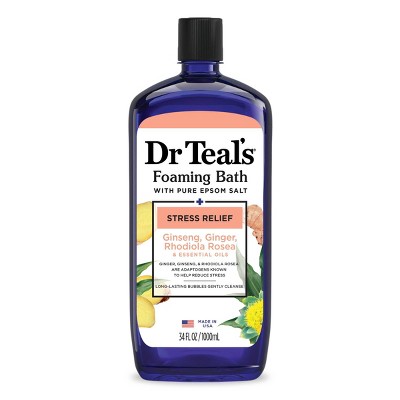
Image source: Target
Top-Performing Magnesium Soaks for Muscle Tension and Recovery
Based on ingredient quality, user feedback, and formulation, several products consistently rank among the top choices for mineral-based stress relief:
A classic staple found in most pharmacies. Dr. Teal's offers a reliable, cost-effective magnesium sulfate base. Their "Relax & Relief" line incorporates eucalyptus and spearmint, making it a strong contender for post-workout recovery and clearing sinus congestion.
Sourced from the Zechstein seabed, these pure magnesium chloride flakes contain no added fragrances or dyes. They are an excellent choice for individuals with sensitive skin who want the pure physical benefits of a high-concentration mineral soak.
For those seeking a premium experience, Oak Essentials formulates their soaks with a focus on mindfulness and sensory indulgence, combining high-quality salts with carefully curated botanical oils to encourage mental presence.
Aromatherapy Products That Actually Lower Cortisol
The olfactory system has a direct neural pathway to the amygdala, the brain's emotional processing center. This is why scent can trigger immediate emotional responses and memories. When selecting bath products for mental stress, the choice of fragrance is critical.
Scientific literature consistently supports the use of specific botanicals for anxiety reduction. According to reviews published in the National Library of Medicine, Lavender (Lavandula angustifolia) is widely recognized for its ability to reduce anxiety markers and improve sleep quality. Its chemical constituents, linalool and linalyl acetate, have a measurable sedative effect on the nervous system.
Rose essential oil is another highly effective option. A notable 2014 study demonstrated that rose aromatherapy footbaths significantly reduced anxiety levels in pregnant women during labor, highlighting its potency in acute stress situations. For those who feel "frazzled" rather than exhausted, grounding scents like frankincense, cedarwood, and bergamot offer excellent stabilization.
Conversely, if your stress manifests as lethargy or "brain fog," invigorating scents may be more appropriate. Blends featuring spearmint and wintergreen, such as those formulated by Bath Sorbet, serve as excellent "pick-me-up" options that clear the mind without overstimulating the body.
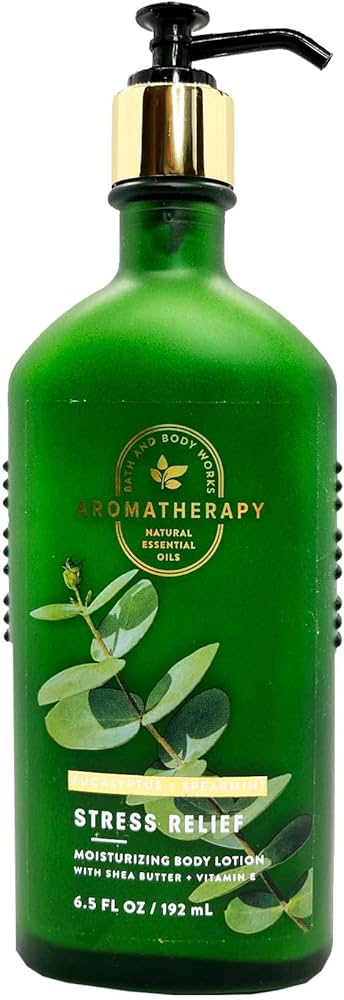
Image source: Amazon.com
Comparison of Bath Products for Your Stress Type
Selecting the right product requires identifying the primary source of your discomfort. The table below breaks down which additives align with specific stress symptoms.
| Product Type | Primary Benefit | Best Suited For | Key Active Ingredient |
|---|---|---|---|
| Epsom Salts | Muscle soreness relief | Post-workout tension, general body aches | Magnesium Sulfate |
| Magnesium Flakes | Deep physical relaxation | Chronic physical stress, restless legs | Magnesium Chloride |
| Bath Oils | Aromatherapy & Hydration | Mental burnout, dry skin, sleep preparation | Botanical Essential Oils (e.g., Lavender) |
| Colloidal Oatmeal | Skin barrier repair | Stress-induced hives, eczema, sensory sensitivity | Beta-glucans, Avenanthramides |
Why High-Intensity Scents Are Not Always Ideal for Burnout
A common misconception in the wellness industry is that if a little scent is relaxing, a massive amount of scent must be deeply relaxing. For individuals experiencing severe burnout or sensory overload, this is entirely false.
Products loaded with heavy synthetic fragrances, artificial neon dyes, and intense cooling agents (like high doses of synthetic menthol) can unintentionally trigger a heightened state of activation. As noted by natural wellness advocates at Mom Bomb, an overwhelmed nervous system requires a reduction in stimuli, not an assault of artificial inputs.
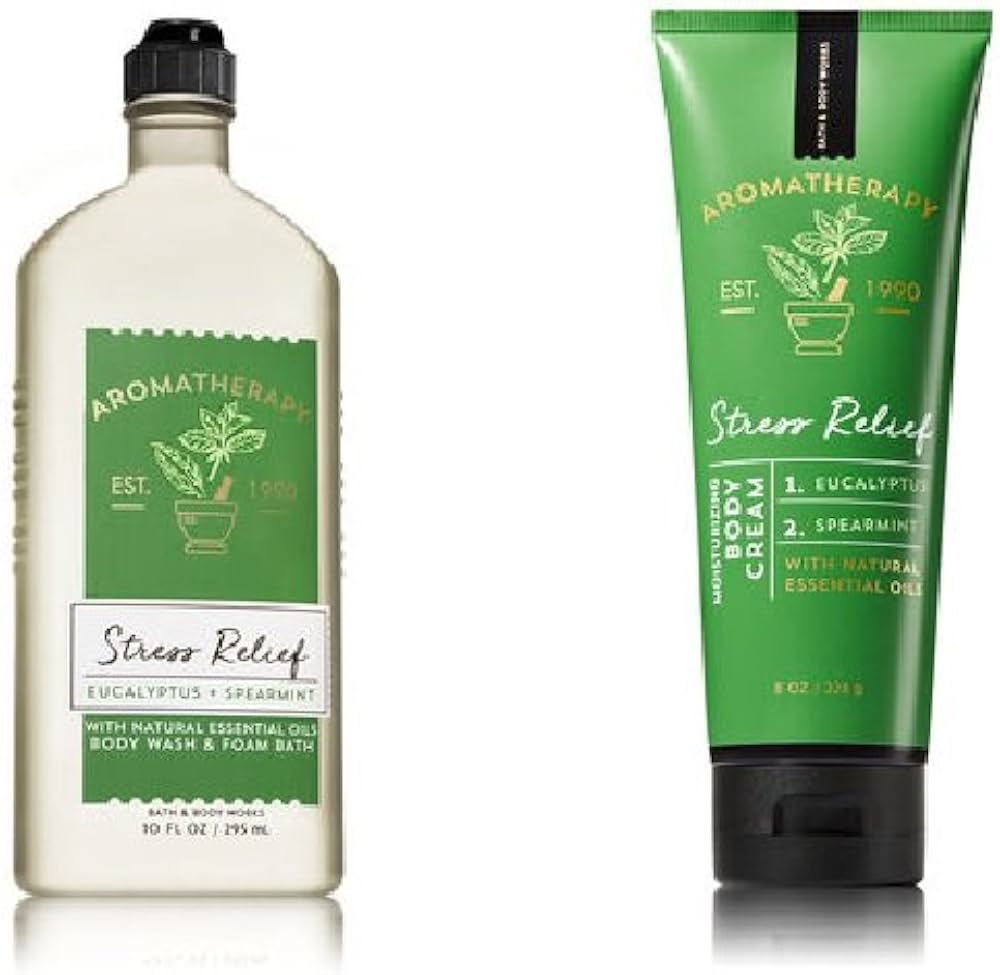
Image source: Amazon.com
Gentle Bath Products for Stress-Related Skin Issues
Chronic stress frequently manifests on the skin. Elevated cortisol levels can compromise the skin barrier, leading to moisture loss, irritation, stress hives, and eczema flare-ups. When your skin is actively reacting to stress, standard bath salts and heavily fragranced bombs will likely exacerbate the problem.
In these scenarios, Colloidal Oatmeal is a highly effective intervention. Recognized by dermatologists for its skin-protectant properties, colloidal oatmeal contains beta-glucans that bind to the skin to lock in moisture, and avenanthramides, which are potent anti-inflammatory agents that soothe itching. Soaking in a lukewarm oatmeal bath reduces the physical discomfort of stress-induced skin conditions, which in turn lowers overall psychological distress.
Additionally, luxury bath formulations are increasingly incorporating PHAs (Polyhydroxy Acids), such as gluconolactone. Unlike harsher exfoliating acids, PHAs are ultra-gentle molecules that hydrate the skin while promoting cellular turnover, making them an excellent choice for maintaining skin health during high-stress periods without causing irritation.
How to Use Essential Oils Without Irritating Your Skin
Creating your own stress-relief blend allows for complete control over ingredients, but it requires strict adherence to safety protocols. Essential oils are highly concentrated plant extracts. Adding them "neat" (undiluted) directly into bathwater is a common mistake that can lead to severe contact dermatitis or chemical burns, as oil and water do not mix. The oil will simply float on the surface and adhere directly to your skin.
To safely use essential oils in a bath, you must follow the Dilution Rule. Here is a step-by-step guide to creating a safe, highly effective soak, inspired by community-tested recipes for adrenal fatigue:
- Select Your Carrier: Pour 1 tablespoon of a skin-safe carrier oil (such as jojoba oil, sweet almond oil, or fractionated coconut oil) into a small bowl.
- Add Essential Oils: Add your chosen essential oils to the carrier oil. A popular "Adrenal Fatigue Blend" consists of 5 drops Lavender, 5 drops Bergamot, and 5 drops Frankincense.
- Mix Thoroughly: Stir the essential oils into the carrier oil until completely blended.
- Combine with Salts (Optional): If desired, mix this oil blend into 1 cup of plain Epsom salts or magnesium flakes.
- Add to Water: Pour the mixture into the bathwater only after the tub is fully drawn and the water is turned off, ensuring the aromatic compounds do not evaporate too quickly.
Insider Hacks for a More Restorative Bath Experience
Beyond the products themselves, the methodology of bathing plays a massive role in stress reduction. Wellness communities and forums like Reddit's Girl Survival Guide are treasure troves of unconventional but highly effective relaxation strategies.
The Tea Bag Hack for Sensitive Skin
For individuals who are highly sensitive to essential oils but still want the benefits of aromatherapy and botanical compounds, the "Tea Bag Hack" is a remarkable alternative. Simply drop 3-4 large chamomile or green tea bags directly into the warm bathwater. The tea infuses the water with mild, natural antioxidants and a subtle, calming scent without any risk of oil-induced skin irritation.
The "Tub Meal" Phenomenon
While it may sound unorthodox, many people find profound stress relief in "indulgent multitasking." Eating comfort food or enjoying a cold beverage while submerged in warm water provides a unique sensory contrast that many find deeply grounding. Using a sturdy bamboo bathtub caddy to hold a book, a tablet for a comfort show, or a snack allows the bather to stay in the water longer, maximizing the physical benefits of the soak.
The Foot Soak Alternative
There are days when the prospect of running a full bath, soaking, and cleaning the tub afterward feels like too much work for an exhausted mind. In these instances, a 15-minute foot soak is a highly effective compromise. Filling a basin with warm water, a handful of magnesium flakes, and a few drops of diluted rose oil provides significant anxiety reduction and reflexology benefits without the commitment of a full-body bath.
Image source: eBay
Troubleshooting the Post-Bath Itch and Other Problems
Even with top-rated products, some users experience negative side effects that ruin the relaxation experience. Understanding how to troubleshoot these common pitfalls ensures your bath remains a restorative practice.
Preventing the "Post-Bath Itch"
A frequent complaint after using heavy mineral salts is dry, itchy skin. This occurs because salt residue remains on the skin, drawing out moisture as it dries. The solution is the "Post-Bath Rinse." After your 15-20 minute soak, drain the tub and take a brief, 30-second shower using lukewarm water. This washes away the mineral residue. Follow immediately with a rich body lotion or oil while the skin is still damp to lock in hydration.
Mastering Temperature Control
Water temperature is a critical variable. While a steaming hot bath feels intuitively relaxing, clinical guidelines suggest otherwise. According to medical experts, water that is too hot (above 102°F / 39°C) acts as a cardiovascular stimulant. It raises your heart rate and can induce sweating and dizziness, which mimics the physiological symptoms of anxiety. For optimal nervous system downregulation, aim for warm water—roughly 92°F to 100°F (33°C to 38°C). This temperature promotes muscle relaxation without stressing the heart.
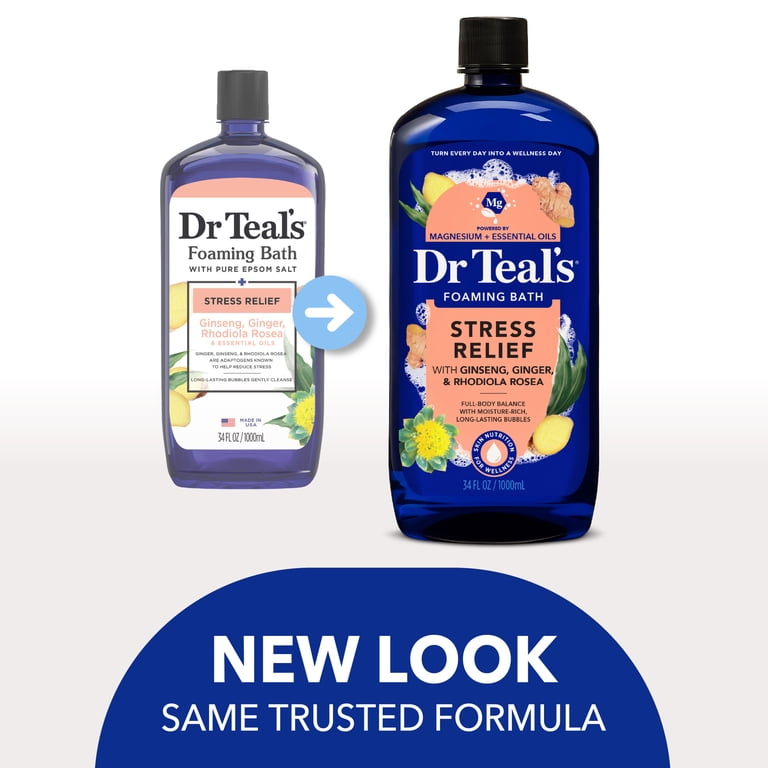
Image source: Walmart
Frequently Asked Questions
- How long should I soak for maximum stress relief?
- The optimal duration for a therapeutic bath is typically between 15 and 20 minutes. This provides enough time for the body to absorb the heat, for muscles to relax, and for the nervous system to shift into a parasympathetic state. Soaking longer than 20 minutes, especially in salt-heavy water, can lead to skin dehydration and fatigue.
- Are bath bombs or Epsom salts better for anxiety?
- It depends on the source of your anxiety. Epsom salts are highly effective for physical tension, muscle aches, and grounding the body. Bath bombs are primarily for sensory enjoyment and aromatherapy. If you choose a bath bomb for anxiety, look for natural ingredients and avoid heavy synthetic dyes, which can sometimes cause sensory overload.
- Do I need to shower after an Epsom salt bath?
- Yes, it is highly recommended to do a quick, lukewarm rinse after soaking in Epsom salts or magnesium flakes. Mineral salts can leave a fine residue on the skin that may cause dryness or itching once the water evaporates. A quick rinse prevents this issue.
- Can bath products help with heart palpitations?
- Some users report that magnesium baths help calm mild, stress-induced palpitations by promoting overall physical relaxation. However, hot water can actually increase heart rate. If you experience heart palpitations, keep the water warm (not hot) and always consult a cardiologist or primary care physician before using heat therapy.
- What is the ideal bath temperature for relaxation?
- The ideal temperature for nervous system relaxation is between 92°F and 100°F (33°C to 38°C). This range is warm enough to dilate blood vessels and soothe muscles, but cool enough to prevent your heart rate from spiking, which can counteract the stress-relief benefits.
Final Thoughts on Nervous System Recovery
Finding the right stress relief bath product is not about buying the most expensive jar on the shelf; it is about matching the active ingredients to your specific symptoms of burnout. Whether you are soothing tight muscles or trying to quiet an overactive mind, a purposeful bathing ritual is a powerful tool for wellness.
- Choose Magnesium Flakes for deep, physical muscle relaxation and tension relief.
- Always dilute essential oils in a carrier oil before adding them to your bathwater to prevent skin irritation.
- Avoid neon dyes and heavy perfumes if you are experiencing sensory overload or severe mental burnout.
- Utilize Colloidal Oatmeal if your stress is manifesting as itchy skin, hives, or eczema flare-ups.
- Keep water temperature warm, not hot, to ensure your heart rate remains steady and relaxed.
- Try a 15-minute foot soak on days when a full bath feels like too much physical effort.